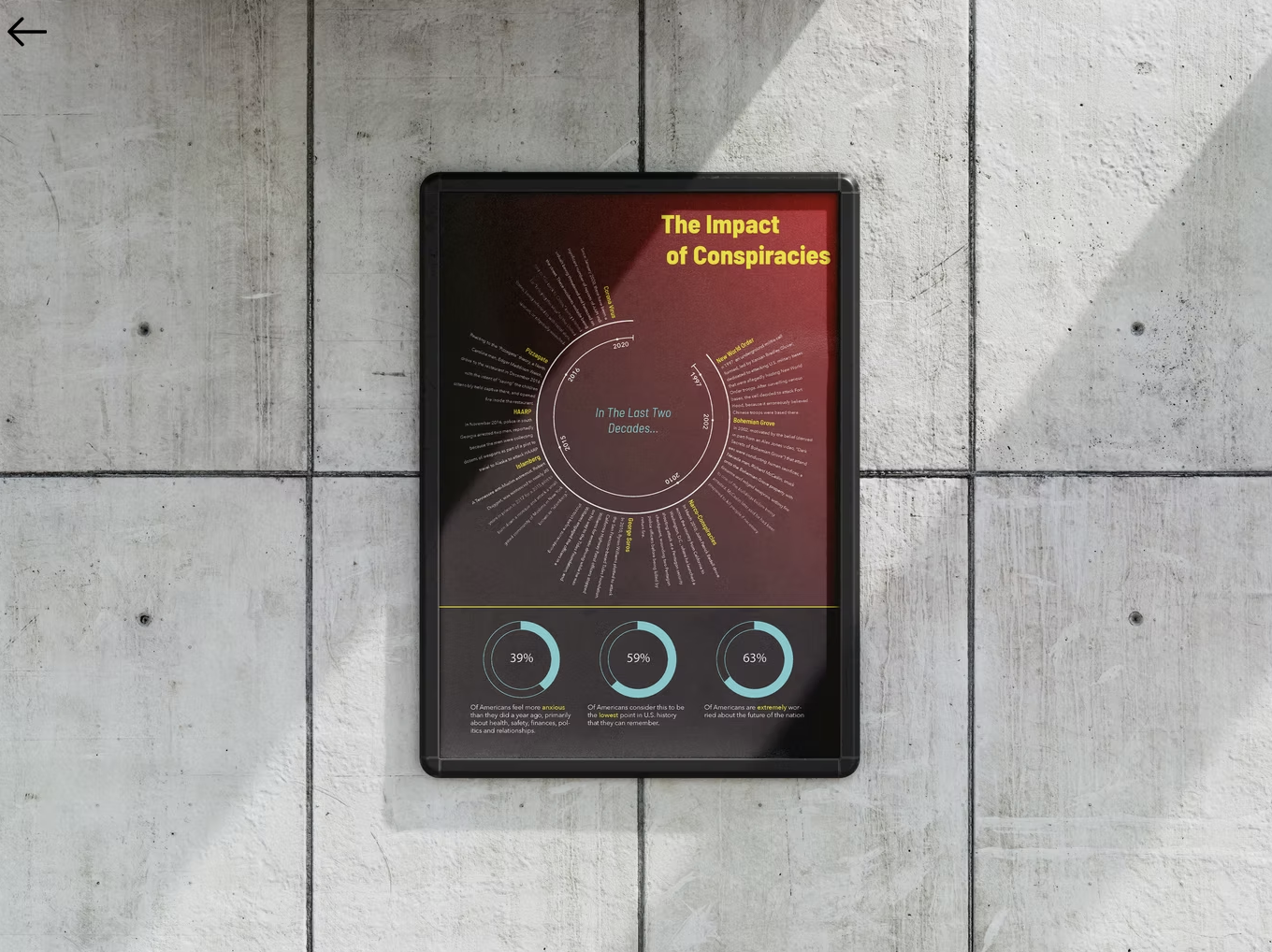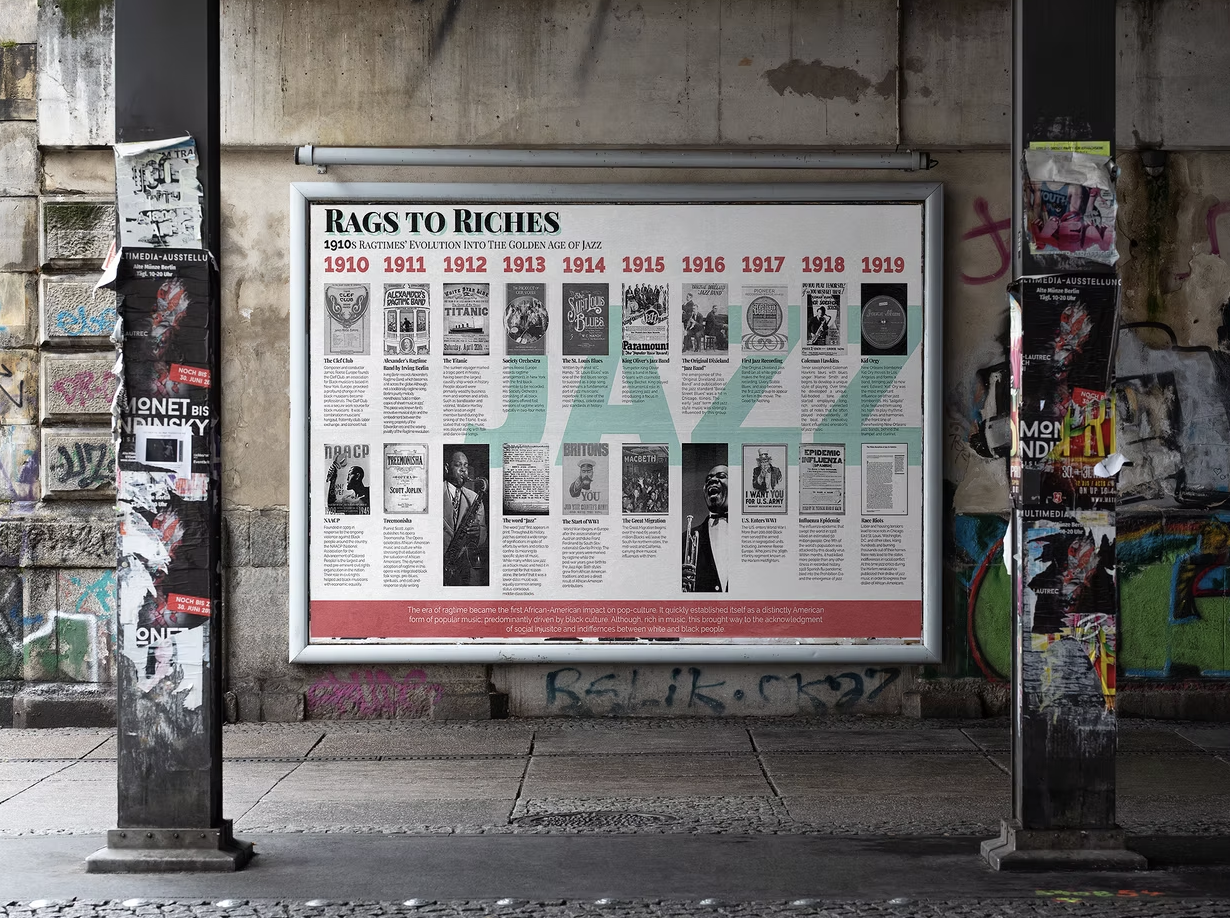
Graphic design

Tech Apps Learning Experience Design

This project applies learning experience design principles to create a TEKS-aligned Technology Applications curriculum focused on student-centered, skill-based learning. The experience emphasizes digital citizenship, engagement, and continuous iteration within a 6th-grade classroom.

UX/UI Design
Visual Design
LX Design
image of studio atmosphere (for a game development company)
[interface] image of tablet with secure financial platform interface (for a fintech company)

Context and Design Challenge

This project was developed within a live 6th-grade Technology Applications classroom, where traditional lecture-based instruction often limits engagement, rigor, and real-world skill development. The challenge was to design a learning experience that aligned with TEKS standards while moving beyond surface-level tool use and toward meaningful, student-centered learning.

Rather than treating lessons as isolated presentations, the goal was to design a cohesive learning system—one that supports skill development, digital responsibility, and learner autonomy while remaining adaptable to student performance and classroom realities.

Instructional Design Approach

The curriculum was designed using learning experience design principles, emphasizing structure, iteration, and learner-centered outcomes. Each weekly lesson followed the 5E instructional model—Engage, Explore, Explain, Elaborate, and Evaluate—to promote inquiry, reinforce understanding, and support knowledge transfer.

Lessons were continuously refined based on Daily Objective Learning (DOL) performance, formative assessments, and classroom observation. This allowed pacing, scaffolding, and complexity to be adjusted over time, ensuring instruction remained responsive while maintaining high expectations.

[interface] image of tablet with secure financial platform interface (for a fintech company)

Learning System and Curriculum Structure

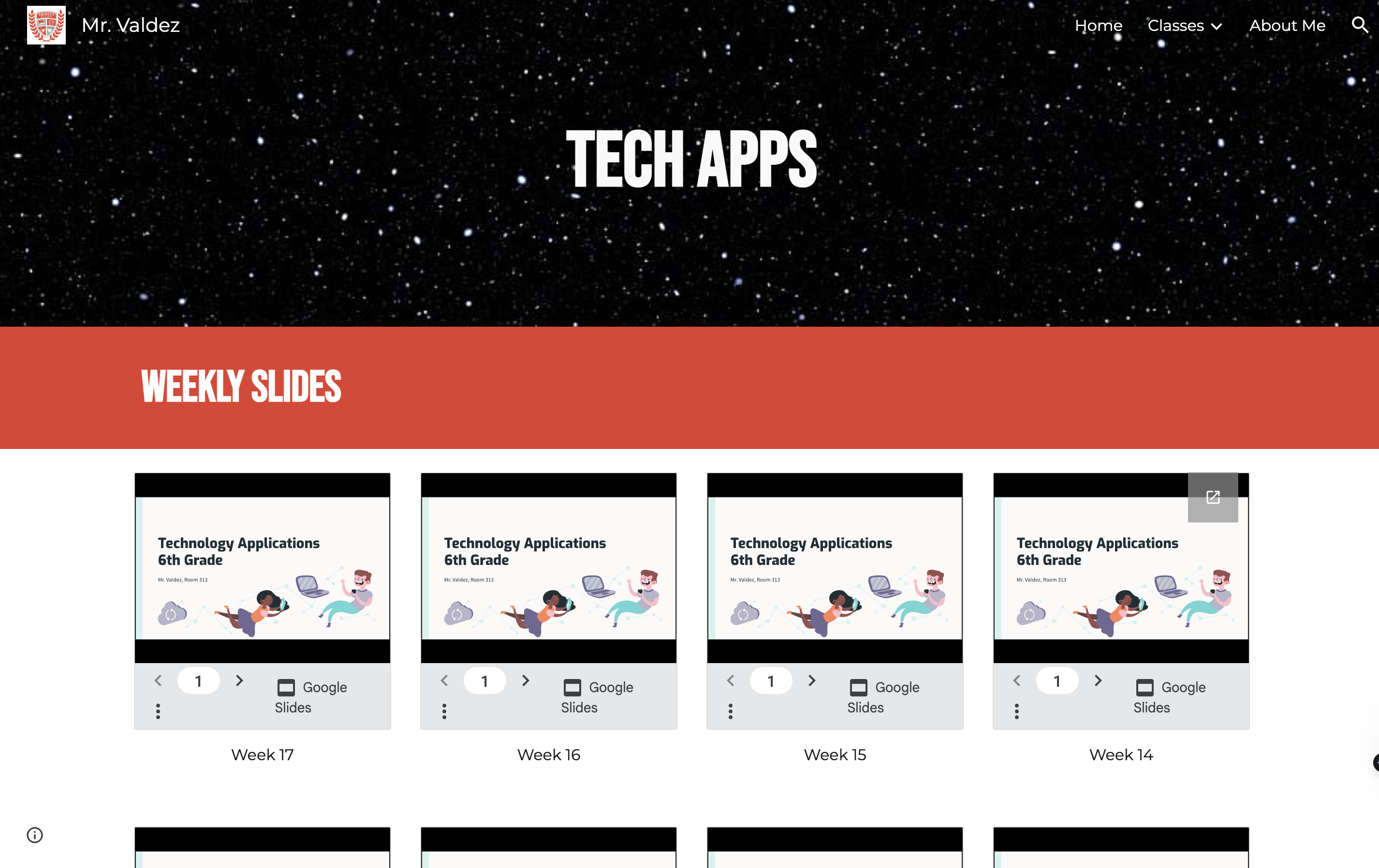
This project functioned as a system-level design, not a static curriculum. Weekly slide decks acted as learning hubs that integrated instruction, activities, reflection, and assessment into a single experience.

The curriculum was TEKS-aligned and intentionally sequenced to build foundational skills while progressively introducing more complex concepts. Adjustments were made weekly to reflect learner progress, misconceptions, and engagement trends—treating curriculum as an evolving product rather than a fixed artifact.

Digital Citizenship and Learner Responsibility

A core pillar of this learning experience was the development of digital citizenship and learner accountability. Students were guided in building and managing their own websites, understanding online behavior, and recognizing the long-term impact of their digital presence.

Instruction emphasized responsibility over restriction—helping students take ownership of their work, manage deadlines, and engage ethically with digital platforms. These skills were reinforced through structured workflows and reflective practices.

[interface] image of tablet with secure financial platform interface (for a fintech company)

Learning Strategies and Engagement

To support metacognition and executive functioning, students were taught structured strategies such as Cornell note-taking, task planning with Google Calendar, and reflection checkpoints embedded throughout projects.

Instruction relied heavily on project-based learning, supported by Marzano Research Strategies (MRS) and Kagan cooperative learning structures. These approaches encouraged collaboration, discussion, and active participation—moving away from passive consumption and toward meaningful engagement.

Technology Integration and Content

Classroom tools such as Google Classroom and LanSchool Air were intentionally integrated as part of the learning design. These platforms enabled real-time performance monitoring, immediate feedback, and targeted instructional intervention.

Rather than serving as control mechanisms, these tools supported a feedback-rich environment, allowing instruction to adapt dynamically to learner needs and progress.

Rigorous Curriculum and Accessability

Despite the age group, the curriculum introduced rigorous, real-world concepts in a way that remained accessible and engaging. Lessons balanced challenge with support, ensuring students were pushed intellectually without becoming disengaged.

By combining structured instructional frameworks with creative, hands-on projects, the experience demonstrated that rigor and enjoyment are not mutually exclusive when learning is intentionally designed.

[interface] image of tablet with secure financial platform interface (for a fintech company)

Content Creation for Supporting Learners

To support instruction beyond live lessons, I designed and managed a multimodal content ecosystem that reinforced learning through video, audio, and self-paced resources. These materials were intentionally created to help students navigate complex technical tasks independently while maintaining engagement and clarity.

A key component of this strategy was the use of student voiceovers. I collaborated with 6th-grade volunteers to narrate instructional “how-to” videos, allowing learners to hear explanations delivered in a familiar, peer-level voice. This approach reduced cognitive barriers, increased relatability, and helped students feel more confident when approaching challenging workflows.

I produced and curated multiple instructional videos that walked students through technical processes step by step, ensuring content was accessible both in and outside the classroom. These videos were designed as scaffolded learning supports, allowing students to pause, revisit, and progress at their own pace—reinforcing autonomy and mastery.

In addition to content creation, I manage the Trinity Heights TAG YouTube channel, which serves as a centralized learning hub for 6th-grade Technology Applications. This channel houses curated instructional content aligned with weekly lessons, providing students with consistent, on-demand access to resources that support classroom instruction and long-term skill development.

Together, these content strategies extended learning beyond traditional instruction, supported diverse learning styles, and reinforced the overall learning experience through intentional media design and management.

Data Driven Results and Reflection

Through the intentional design of a structured, student-centered learning experience, this curriculum produced measurable improvements in student performance. By aligning lessons to TEKS standards, continuously iterating based on DOL data, and supporting instruction with curated multimedia content, student understanding and retention increased significantly over time.

As a result of this approach, ACP performance scores rose from the district passing rate of 57% to an 89% passing rate in my classroom. This improvement reflects not only content mastery, but the effectiveness of designing learning as a system—one that integrates clear objectives, scaffolded instruction, learner autonomy, and consistent feedback loops.

This outcome reinforced the value of treating curriculum as a designed experience rather than a static delivery of information. By combining instructional design frameworks, engaging content strategies, and data-informed iteration, the learning environment became more equitable, engaging, and effective—demonstrating how thoughtful learning experience design can drive meaningful academic outcomes.

[interface] image of tablet with secure financial platform interface (for a fintech company)

IPC Calendar

The IPC curriculum was designed as a progressive learning sequence spanning two 9-week grading periods, with each week building toward increased computational thinking, digital fluency, and problem-solving skills. Instruction was aligned to TEKS standards and paced to support both conceptual understanding and applied practice, while allowing flexibility for differentiation and iteration based on student performance data.

Explore design project highlights

Browse a curated selection of UX, curriculum, and graphic design projects. Each gallery tab showcases a distinct stream of work, offering insight into process, outcomes, and creative problem-solving. Navigate between categories to discover detailed case studies and visual narratives that reflect a commitment to thoughtful, user-centered design.